10 Best Facial Moisturizer With Spf For Rosacea 2026 in the United States
Related Products
Up to 30% off
Recommended lists

Facial Spf Moisturizers
Our technology thoroughly searches through the online shopping world, reviewing hundreds of sites. We then process and analyze this information, updating in real-time to bring you the latest top-rated products. This way, you always get the best and most current options available.

Our Top Picks
Winner
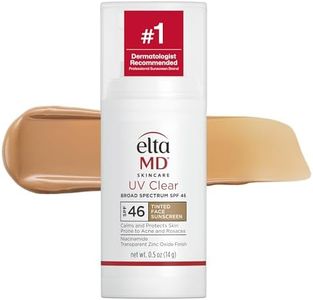
EltaMD UV Clear Tinted Face Sunscreen, SPF 46 Oil- Free Tinted Moisturizer with Zinc Oxide, Dermatologist Recommended Sunscreen, 0.5 oz Pump
EltaMD UV Clear Tinted Face Sunscreen is a lightweight, oil-free moisturizer with SPF 46 that offers strong protection against UVA and UVB rays, making it a good choice for people with rosacea or sensitive skin. Its broad-spectrum protection helps prevent sun damage, which is especially important for skin prone to redness and irritation.
The formula includes zinc oxide, a gentle mineral sunscreen ingredient, and niacinamide, which can improve uneven skin tone and reduce discoloration often seen in rosacea. This moisturizer is non-comedogenic, so it won’t clog pores, and it’s fragrance-free and hypoallergenic, reducing the chance of irritation. The tinted texture helps even out skin tone without leaving a white residue, which many users find appealing. However, it is not water-resistant, so reapplication after sweating or swimming is necessary.
The 0.5 oz pump bottle is travel-friendly but on the smaller side for everyday use. This sunscreen moisturizer effectively combines sun protection with soothing ingredients suited for sensitive, rosacea-prone skin, though those needing water resistance might look elsewhere.
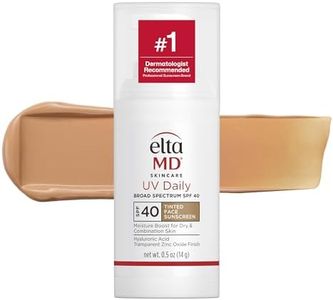
EltaMD UV Daily SPF 40 Tinted Face Sunscreen Moisturizer, Tinted Moisturizer for Face with SPF, Great for Dry, Combination, and Normal Skin, 0.5 oz
EltaMD UV Daily SPF 40 Tinted Face Sunscreen Moisturizer is designed to offer broad-spectrum UVA/UVB protection with SPF 40, which is a good level for daily sun protection, especially important for sensitive skin conditions like rosacea. Its key active ingredient Zinc Oxide is a mineral sunscreen known for being gentle and less likely to irritate sensitive skin. The addition of hyaluronic acid helps keep skin hydrated, addressing dryness that rosacea sufferers often experience.
The tinted formula is suited for medium-light to medium skin tones and avoids the white cast many mineral sunscreens leave behind, making it cosmetically pleasing for everyday wear. Importantly, it is fragrance-free, paraben-free, hypoallergenic, and non-comedogenic, which reduces the risk of irritation or clogged pores—both crucial for rosacea-prone skin. The texture is lightweight and moisturizing, suitable for dry, combination, and normal skin types, though it is not water-resistant, so reapplication after sweating or swimming is necessary.
The small 0.5 oz travel size may require frequent repurchasing if used daily. This product represents a solid choice for those with rosacea seeking a gentle, protective, and hydrating tinted moisturizer with SPF that blends well and supports sensitive skin needs.
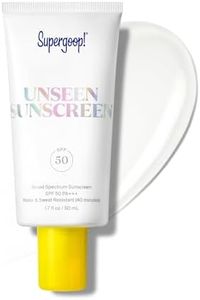
Supergoop! Unseen Sunscreen - SPF 50 - Clear & Invisible Face Sunscreen + Broad Spectrum + Makeup-Gripping Primer - Weightless, Scentless, Oil Free - For All Skin Types & Tones - 1.7 fl oz
Supergoop! Unseen Sunscreen offers a high SPF 50, providing strong broad-spectrum protection against UVA and UVB rays, which is crucial for sensitive skin prone to rosacea flare-ups. The product uses active ingredients like Avobenzone, Homosalate, and Octisalate, which are common UV filters and generally well tolerated, though people with very reactive skin should patch test first. Its gel texture is lightweight, completely clear, and oil-free, making it comfortable for daily use without leaving a greasy or white cast — a big plus for those with redness or uneven skin tone. Additionally, it's non-comedogenic (won't clog pores) and non-acnegenic, which helps prevent irritation or breakouts, beneficial for sensitive, rosacea-prone skin. The formula is also scentless and cruelty-free, reducing the chance of irritation and making it hypoallergenic-friendly. Another handy feature is that it doubles as a makeup primer, helping foundation last longer while smoothing the skin’s appearance.
On the downside, though it is water resistant, it requires reapplication every two hours for effective protection, which may be inconvenient during the day. Also, while designed for all skin types, some with very sensitive rosacea might find even chemical filters slightly irritating and may need to test the product carefully. This sunscreen represents a strong choice for those with rosacea seeking a lightweight, invisible, and effective SPF product that won’t interfere with makeup or worsen redness.